

Infrared Sauna Before Massage: Benefits Risks and What the Evidence Says

A massage usually feels better when the body is already warm, calm, and ready to let go. That is the simple reason many spas, wellness clinics, and recovery centers recommend an infrared sauna session before bodywork.
The idea is appealing: spend a short time in gentle heat, increase circulation, reduce stiffness, then move into massage with less guarding and more ease. For many healthy adults, this can be a smart pairing. It may help the nervous system settle, make tight areas feel more pliable, and turn a good massage into a more comfortable one.
The key is using the sauna before massage in the right way. More heat is not always better. Longer sessions are not always more helpful. And some people should avoid sauna use or get medical guidance first.
This guide explains the likely benefits, the real risks, the contraindications, and what the evidence can and cannot say.

Why infrared sauna before massage can make sense
Infrared saunas use infrared light to warm the body. They usually run at lower air temperatures than traditional saunas, while still creating a strong warming effect. Many people find this type of heat easier to tolerate because the room air can feel less intense.
Before massage, that matters. The goal is not to exhaust the body. The goal is to create a short window where the body feels warmer, looser, and more relaxed.
A well-timed infrared sauna session may support massage in a few practical ways:
Warmer muscles may feel less stiff.
Increased circulation may help tissues feel more responsive to touch.
Heat may reduce guarding, which is the body’s habit of tightening around sore areas.
Quiet time before the session may lower stress and help the nervous system shift into a calmer state.
Mild sweating may make people feel refreshed, as long as they hydrate well.
The case for infrared sauna before massage is strongest when both are used as supportive wellness tools, not as a medical treatment for a diagnosed condition unless a qualified clinician is involved.
The main benefits of using infrared sauna first
Heat can help reduce stiffness before hands-on work
Most people know the difference between stretching cold muscles and stretching after a warm shower. Heat does not magically lengthen tissue, but it can change how the body experiences tightness.
Warmth can increase local blood flow to the skin and superficial tissues. It may also reduce the sensation of stiffness, which can make massage feel less sharp or guarded. For someone with tense shoulders, low back tightness, or general muscle soreness, even 10 to 15 minutes of warmth can make the first part of a massage feel easier.
This is one reason heat therapy is commonly used in physical therapy and sports recovery settings. Moist heat packs, heating pads, warm baths, and sauna use all rely on a similar principle: gentle heat can make movement and touch feel more comfortable.
Sauna time may help the nervous system calm down
Massage does not only work on muscles. It also affects the nervous system.
When someone arrives rushed, stressed, or tense, the body may stay in a protective state. Breathing is shallow. Muscles stay braced. The mind races. A sauna session creates a pause before the massage begins.
That pause can matter.
Research on sauna bathing, especially traditional sauna use, suggests it can promote relaxation and may support cardiovascular and stress-related markers in some people. The evidence is stronger for general sauna bathing than for infrared sauna specifically, but the relaxation effect is consistent with what many people report.
Massage research also supports short-term benefits for stress, anxiety, and pain in many populations. Pairing a calming heat session with massage may make sense because both encourage a shift away from high alert and toward rest.
Increased circulation may support comfort and recovery
Heat causes blood vessels near the skin to widen. This helps the body release heat and can create a feeling of warmth and increased circulation.
For massage, that may be helpful. Tissues that are warm and well-perfused often feel more comfortable under pressure. A therapist may be able to work gradually into tight areas without the same level of resistance.
That said, claims about “flushing toxins” are often overstated. The body’s liver, kidneys, lungs, digestive system, and skin all play roles in normal waste handling. Sweating is real, but it should not be described as a cure-all detox process.
A better claim is this: infrared sauna may support relaxation, sweating, and circulation, which can complement massage for comfort and recovery.
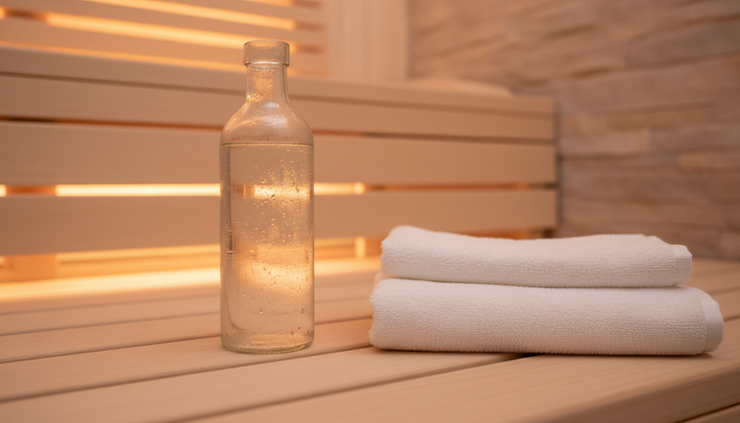
What the evidence says and where it is limited
Sauna research is promising, but it is not all the same.
Much of the strongest sauna research comes from traditional Finnish sauna bathing, not infrared sauna. These studies have linked regular sauna use with cardiovascular and wellness outcomes, but they do not prove that one sauna session before one massage creates the same results.
Infrared sauna research is smaller. Some studies suggest possible benefits for pain, quality of life, blood pressure, and recovery in certain groups, but the evidence base is still developing. Study designs, session lengths, heat settings, and participant health conditions vary. That makes broad claims hard to prove.
Massage has a larger body of evidence for short-term relief of pain, stress, anxiety, and muscle tension. It is commonly used for back pain, neck pain, soreness, and relaxation. Results vary by technique, therapist skill, frequency, and the person’s underlying health.
So where does that leave the combined approach?
The most evidence-aligned way to describe it is this:
Infrared sauna before massage is a reasonable wellness strategy for many healthy adults because heat and massage both support relaxation, comfort, and short-term relief of muscle tension. The specific combination is logical, but direct research on the pairing is limited.
That distinction matters. It keeps the recommendation honest while still recognizing what the body often responds to well: warmth, calm, touch, and time.
How to use infrared sauna before massage safely
The safest approach is short, moderate, and well-hydrated. The goal is to arrive at the massage table warm and relaxed, not drained.
Step | Practical recommendation |
Session length | Start with 10 to 15 minutes. Experienced sauna users may tolerate 20 minutes. |
Heat level | Use a moderate setting rather than the hottest option available. |
Hydration | Drink water before and after. Add electrolytes if you sweat heavily. |
Cool-down time | Leave 5 to 10 minutes between sauna and massage. |
Showering | Rinse off if you sweat heavily, especially before a hands-on session. |
Food and alcohol | Avoid sauna use after alcohol or a very heavy meal. |
Warning signs | Stop if you feel dizzy, nauseated, weak, confused, or unusually short of breath. |
A short cool-down is useful. It lets your heart rate settle, gives you time to drink water, and keeps the massage from feeling too hot or overwhelming.
If the sauna leaves you lightheaded, skip the massage or switch to very gentle work. Pushing through is never the goal.
Who should avoid infrared sauna or ask a clinician first
Infrared sauna is not appropriate for everyone. Heat changes circulation, heart rate, fluid balance, and blood pressure. For some people, that can create risk.
People with the following conditions or situations should get medical guidance before using an infrared sauna, and in some cases should avoid it completely:
Use extra caution or avoid sauna if this applies | Why it matters |
Pregnancy | Heat stress can be risky, especially when core temperature rises. Medical guidance is best. |
Unstable heart disease, recent heart attack, or unstable angina | Heat increases cardiovascular demand. |
Uncontrolled high blood pressure or very low blood pressure | Sauna can affect blood pressure and may trigger dizziness or fainting. |
History of fainting, severe dizziness, or heat intolerance | Heat may worsen symptoms. |
Fever, acute infection, or feeling seriously ill | Heat can add strain when the body is already stressed. |
Significant kidney disease or fluid restriction | Sweating changes fluid balance. |
Multiple sclerosis or conditions worsened by heat | Heat can trigger symptom flares in some people. |
Peripheral neuropathy or reduced heat sensation | Burns or overheating may happen without normal warning signals. |
Open wounds, severe skin irritation, or active inflammatory skin conditions | Heat and sweat may aggravate symptoms. |
Alcohol use or recreational drug use | Judgment, hydration, and heat regulation can be impaired. |
Medications that affect sweating, blood pressure, sedation, or fluid balance | Heat may interact with how the body responds. Ask a clinician or pharmacist. |
This content is informational only and is not medical advice. Anyone with a medical condition, implanted device, or prescription medication concern should ask a qualified healthcare professional before sauna use.

When a pre-massage sauna may not be the best choice
Even healthy people can overdo sauna use. A pre-massage sauna should be skipped if the body is already under stress.
It may be better to avoid sauna before massage when:
You are dehydrated from travel, exercise, illness, or alcohol.
You have a headache that worsens with heat.
You recently had intense training and feel overheated.
You are sleep-deprived and prone to lightheadedness.
You plan to receive very deep tissue work and already feel inflamed or tender.
You dislike heat or feel anxious in enclosed warm spaces.
There is no wellness rule that says a sauna must happen before every massage. Some days, massage alone is the better choice.
What type of massage pairs well with infrared sauna
A pre-massage sauna can work with many types of bodywork, but the best pairing depends on the goal.
Sports massage
For general soreness or recovery, heat before sports massage may reduce stiffness. If there is acute swelling, a fresh injury, or sharp pain, heat may not be appropriate.
Deep tissue massage
Some people love heat before deep work because they feel less guarded. Others may find the combination too intense. If deep pressure is planned, keep the sauna short and tell the therapist how your body feels.
Lymphatic drainage massage
A sauna before lymphatic work should be approached carefully. Dehydration can work against the goal of gentle fluid movement. If used, keep it brief and hydrate well.
Common myths about sauna before massage
Myth one says sweating detoxes the body in a dramatic way
Sweating is normal and can feel cleansing, but detox claims are often exaggerated. Sauna use supports sweating and heat exposure. It does not replace the body’s normal detoxification systems.
Myth two says hotter is better
A higher temperature does not always lead to a better massage. Too much heat can leave you tired, dizzy, or dehydrated. A moderate session usually works better before bodywork.
Myth three says sauna makes massage results last forever
Heat and massage can help with short-term tension and comfort. Lasting change often also depends on sleep, movement, stress levels, posture habits, hydration, strength, and the cause of the tension.
Myth four says infrared sauna works for everyone
Some people feel great after infrared sauna. Others feel worse. Heat tolerance varies widely. A safe experience should be personalized, not forced.
A simple pre-massage sauna routine
For most healthy adults who tolerate heat well, this routine is a sensible place to start.
Drink water before the sauna
Arrive hydrated. Do not use the sauna to “sweat out” a hangover or compensate for poor hydration.
Use 10 to 15 minutes of moderate heat
Keep the first session conservative. You can adjust next time based on how you feel.
Sit quietly and breathe naturally
Avoid intense stretching in the sauna. The heat already places demand on the body.
Step out before you feel depleted
A good stopping point is warm and relaxed, not exhausted.
Cool down for 5 to 10 minutes
Sit, sip water, and let your heart rate settle.
Rinse off if needed
This keeps the massage more comfortable for both you and the therapist.
Tell your massage therapist you used the sauna
Mention how long you stayed in and how you feel. This helps them adjust pressure and pacing.

The best takeaway
Infrared sauna before massage can be a helpful ritual when it is used with common sense. The strongest reasons to try it are simple: warmth can reduce the feeling of stiffness, quiet time can calm the nervous system, and both effects may help massage feel more effective and comfortable. At Kinetic Restoration in Virginia Beach, VA, we offer an Integrated 25 minute Infrared Sauna session combined with either a 60 minute or 90 minute massage. Our infrared Sauna is located within our massage room to create a private and seamless transition to your massage. Book Now
The evidence supports heat and massage as useful tools for relaxation and short-term relief of tension and discomfort. Direct research on combining infrared sauna with massage is limited, so the benefits should be framed honestly. This is a supportive wellness practice, not a cure or a substitute for medical care.
For a safe starting point, keep the sauna session brief, hydrate well, cool down before getting on the table, and avoid heat if you have a condition that makes sauna use risky. When in doubt, ask a healthcare professional first.
Used wisely, a short infrared sauna session can be one of the simplest ways to arrive at massage already halfway relaxed.


Comments